
In an atypical fashion, Beyoncé really warned us about the greatness that was to come: Black Is The Kinga album visual to follow The Lion King: The Gift, fell in Disney+ on the 31st of July. Although the album’s official description tells us that “reimagines the lessons of The Lion King for the young people of today are the kings and queens in search of their own crowns,” I was not prepared for the incredible way in which the story will be told. When Beyoncé took the reins of the original idea of a child learning to be a king, he ran with it to create something of his own, simply by using the The Lion King as a plan for the growth story.
Black Is The King‘s references to Disney movies (both the original 1994 and 2019 live-action version) begins immediately, and the range of in-your-face shoutouts subtle nods. The unmistakable baritone voice of James Earl Jones (also known as Mufasa) can be heard during the opening shots of Black people proudly stand on various parts of nature and a basket floating in a river, reciting the same speech that began in The Lion King. As the first song, “Larger”, it starts, Beyonce is seen painting the face of a small child, similar to the way Rafiki does to Simba. There are images of the same boy sitting in a throne that follow. The scene is not only a nod to the original story of the end, but an image that many young Black men get to see.
To the question “who are you?” is repeated throughout Black Is The Kingas well as it is a central theme of The Lion King. The question is first uttered in the scene before “Ja Ara E”, begins. A man holding a serpent who asks the young man that he is after, he trails a monkey in a mysterious place and is guided by what seems to be bad influences. This scene turns into a motorcycle crash that ultimately leads to Mufasa’s untimely death another undeniable reference to the original that is represented in a unique way.
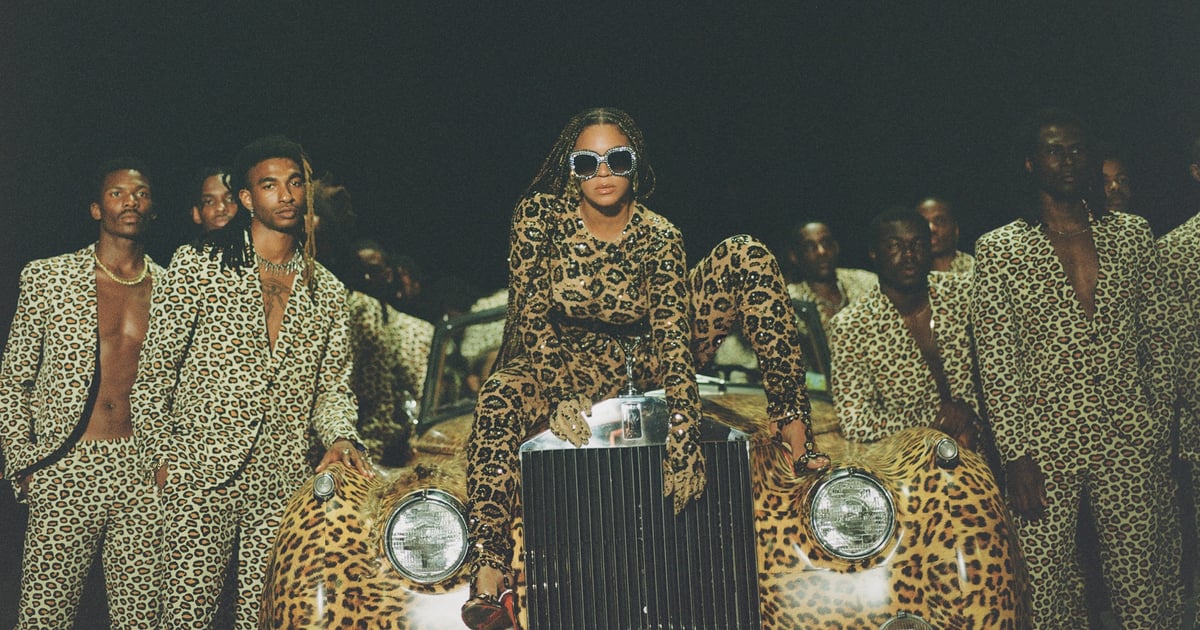
The cheerful scenes in “state of Mind 4 Eva” deliberately parallel to the scenes of The Lion King‘s iconic “I Just Can’t Wait to Be King”, a colorful and vivid preview of what’s to come for the young king. There’s Billy Eichner’s voiceover to explain “Hakuna Matata”, while a leopard print car young boy to his next stage of growth and synchronized swimmers dressed in pink as the Disney animation of dancing flamingos. The visuals are stunning, the Black joy is a treasure to see, and the cameos of celebrities (including Jay-Z and Kelly Rowland) are the icing on the cake.
Among the wealth of references, Beyonce tells a classic story from the Black perspective. With new songs such as Black Parade added to the mix, and an inspiring message to young black men and women to wear their crowns with pride, this body of work is the gift we really deserved it. Beyoncé took a children’s story, and it became a form of activism, rebellion, and an expression of self-love. It is the reimagination of The Lion King we didn’t even know we needed.
