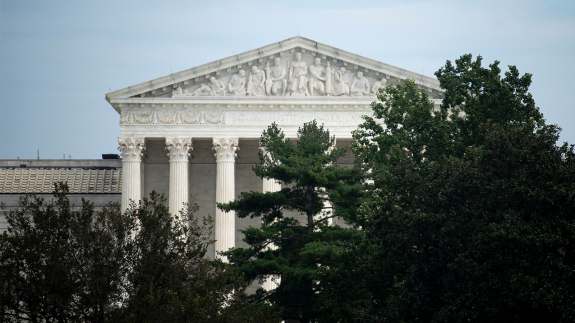
Four planned days of Senate confirmation hearings for President Trump’s latest Supreme Court nominee, Judge Amy Coney Barrett, begin today. And they are going to be a doozy.
Confirmation proceedings have generally gotten much more contentious over the years. But the fight over Barrett could be among the most rancorous yet. The presidential election is only three weeks away, yet Republicans are pushing ahead with the confirmation even though most Americans think they should wait; Trump and two Republican senators on the Judiciary Committee have tested positive for COVID-19, throwing the whole timeline into jeopardy; and Barrett, if confirmed, would replace a justice who was in many respects her polar opposite, making the court the most conservative it’s been in 70 years.
Even in a moment of deep partisan hatred, this is a particularly explosive brew.
But the ideological fate of the Supreme Court isn’t the only thing on the line this week. The Supreme Court’s reputation as an apolitical, independent branch of government is also at stake.
During their confirmation hearings, would-be Supreme Court justices usually present themselves as neutral arbiters of law who make their decisions above the political fray. And that’s for good reason, since they’re unelected officials who would serve lifetime appointments on the most powerful court in the country. But faith in the Supreme Court is lower than it used to be, and confirmation hearings have been getting more and more partisan.
A bruising confirmation process will still likely result in Barrett’s ascension to the court, but that doesn’t mean its reputation as an institution isn’t at risk. If Americans become convinced that Barrett and the other justices are brazen political actors, public confidence in the court could erode further, opening the door to radical changes to the court, including the possibility that